Muhammad Mustafa
Backend & AI engineer.
Overview
Backend Engineer (Contract) @Zolvr.ai
AI Engineering / Agentic AI Instructor @AI Season
IT Intern @United Bank Limited (UBL)
Full Stack Developer Intern @The Bridge of Hopes
he/him
Social Links
GitHub Contributions
Hello
- I'm Muhammad Mustafa — a backend & AI engineer shipping production agents, RAG systems, devtools, and scraping/automation pipelines. CS undergrad at FAST NUCES Karachi (graduating 2027, Dean's List, CGPA: 3.44 / 4.0).
- Backend Engineer (Contract) at Zolvr.ai (Stripe, Shopify, MCP server, k6 load testing, Redis caching, BunnyCDN). AI Engineering & Agentic AI Instructor at AI Season (LangGraph, MCP architecture, Harness Engineering).
- IT Intern at United Bank Limited (Teradata warehouse, Informatica ETL, Kubeflow Pipelines, INT4/INT8 quantization) and Full Stack Developer Intern at The Bridge of Hopes (Android Kotlin + on-device inference).
- Creator of Proteus (self-hosted multi-provider AI workspace with MCP + OAuth2), Recluze (Tauri + Baileys + LangGraph WhatsApp AI), and Redbus Karachi (1,600+ users, Dijkstra routing over GeoJSON). Production code, not demos.
- 3 hackathon wins in 2026 (FAST NUCES DevDay, Sir Syed SMEC, NED AIC). Active LeetCode DSA solver.
Blog(0)
Stack
Experience
Zolvr.ai
- Location
- Remote
- Location type
- (Remote)
- Developed core backend services for a production platform as a contract engineer, owning API design and third-party integrations end to end.
- Integrated Stripe (payments, webhooks) and Shopify with idempotent webhook handling and retry logic.
- Designed and shipped an MCP server exposing platform capabilities as tools for AI agents.
- Load- and rate-limit-tested critical endpoints with k6 and fixed the bottlenecks found; added Redis caching on hot read paths and served assets via BunnyCDN to cut latency and database load.
- FastAPI
- Stripe
- Shopify
- Webhooks
- MCP Server
- k6
- Redis Caching
- BunnyCDN
- Rate Limiting
- API Design

AI Season
- Location
- Karachi, Pakistan
- Location type
- (Remote)
- Employment status
- Current
- Design and deliver 3 sessions on agentic AI engineering for the AI Season cohort: LangGraph orchestration, Harness Engineering with design patterns, and MCP architecture.
- Teach the backend layer of AI systems end to end — API design, SSE streaming, tool-calling protocols, persistence, and deployment — using shipped production projects as the running examples.
- Review the wider curriculum (RAG, vector databases, memory layers, AI security, deployment with Nginx / Certbot / Postgres) and author the capstone rubric: an end-to-end agent with MCP integration, vector memory, and a live deployable URL.
- LangGraph
- Harness Engineering
- MCP Architecture
- SSE Streaming
- Tool-Calling Protocols
- RAG
- Vector Databases
- AI Security
- Deployment
United Bank Limited (UBL)
- Location
- Karachi, Pakistan
- Location type
- (On-site)
- Employment status
- Current
- Embedded with the enterprise data and MLOps teams on a Teradata warehouse and Informatica ETL pipelines, tracing data from source ingestion through staging, transformation, and load, including reconciliation and data-quality checkpoints.
- Followed the ML lifecycle on Kubeflow Pipelines over Kubernetes — warehouse joins, feature selection, training, and versioned deployment — and studied INT4 / INT8 quantization for on-prem inference.
- Rebuilt the observed patterns independently on a local PostgreSQL and Python / Pandas stack to turn exposure into hands-on working knowledge.
- Teradata Warehouse
- Informatica (ETL)
- Kubeflow Pipelines
- Kubernetes
- INT4 / INT8 Quantization
- MLOps
- PostgreSQL
- Python
- Pandas
- Data Reconciliation
Education
- Algorithms
- Database Systems
- Computer Networks
- Operating Systems
- Compiler Construction
- Artificial Intelligence
- Deep Learning
- DSA
- Software Engineering
- DSA
- Python
- Java
- C++
- TypeScript
Projects(13)
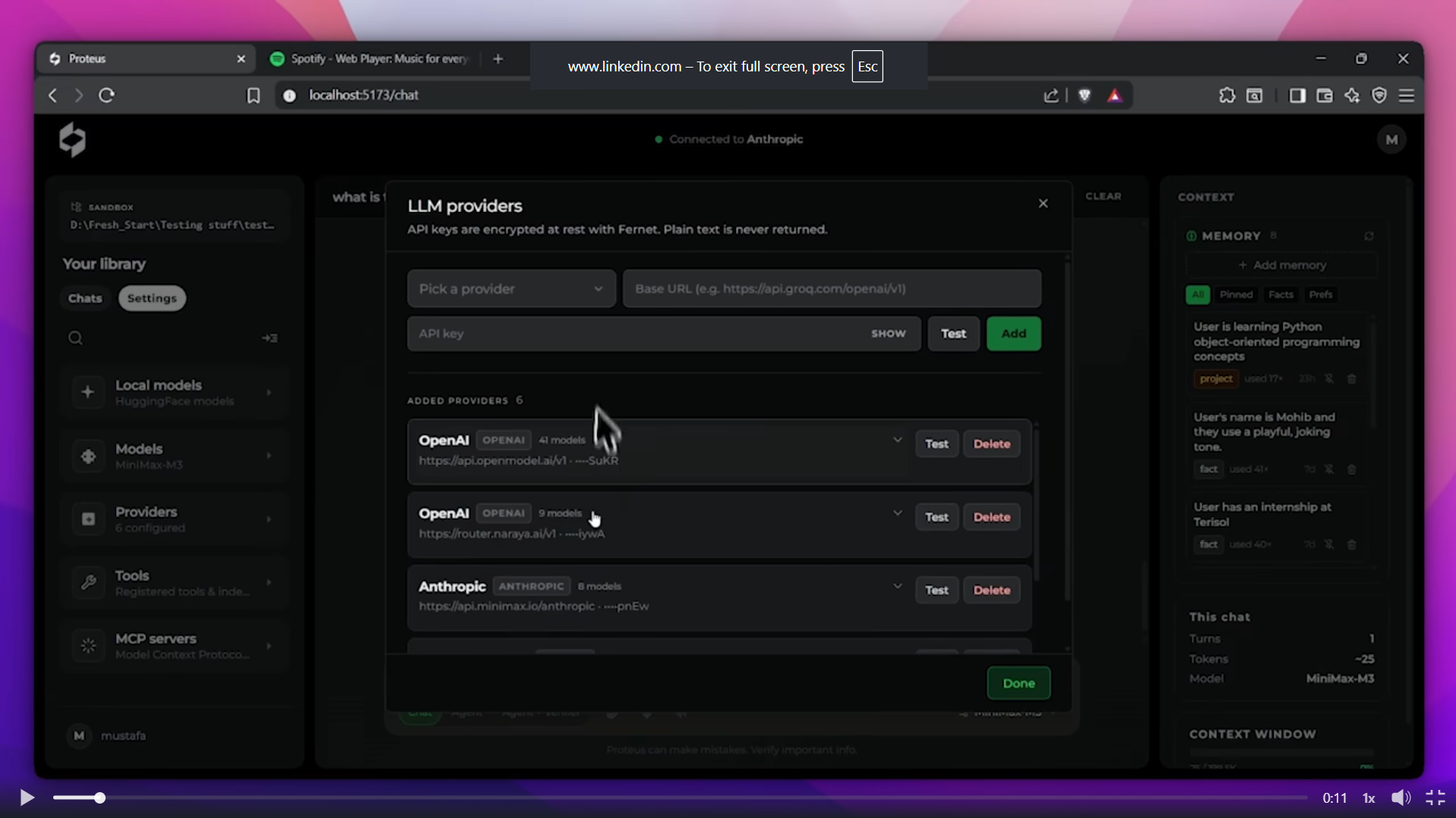
Multi-service FastAPI backend powering a self-hosted multi-provider AI workspace (OpenAI, Groq, Ollama, any OpenAI-compatible endpoint) with SSE-streamed responses.
Key highlights:
- MCP client layer supporting stdio and HTTP transports plus OAuth2 for remote servers — one-click connections to Notion, GitHub, and custom tool servers.
- Vector-backed persistent memory via ChromaDB scoped per user session; agent mode with tool calling (file I/O, bash, Python execution, web search) and a goal/verifier feedback loop with automatic retry.
- Streaming multi-provider core delivering sub-second first-token response across local and cloud LLM providers.
- FastAPI
- SQLAlchemy
- ChromaDB
- MCP SDK
- OAuth2
- SSE
- Docker
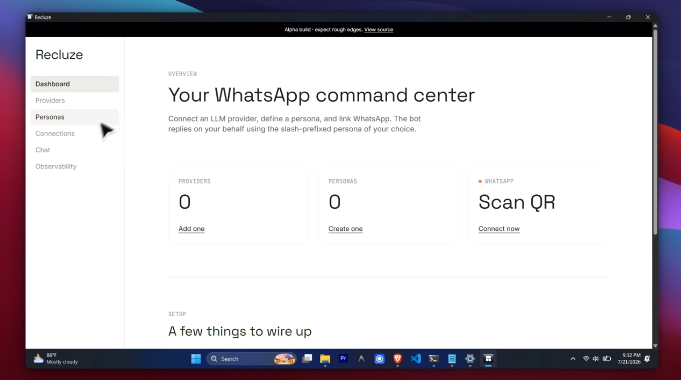
Open-source desktop app that turns any WhatsApp number into a brand-voiced AI responder — WhatsApp login, LLM key, knowledge base, live in under 5 minutes.
Key highlights:
- Local-first architecture with multi-provider LLM routing (Anthropic / OpenAI / Groq), SQLite persistence, and full conversation memory — no data leaves the device.
- FastAPI sidecar handles on-device inference; shipped as a single .msi installer for non-technical users.
- Baileys WebSocket engine paired with LangGraph orchestration for reliable, production-grade conversation memory.
- Tauri 2
- FastAPI
- Baileys
- LangGraph
- SQLite
- .msi Packaging
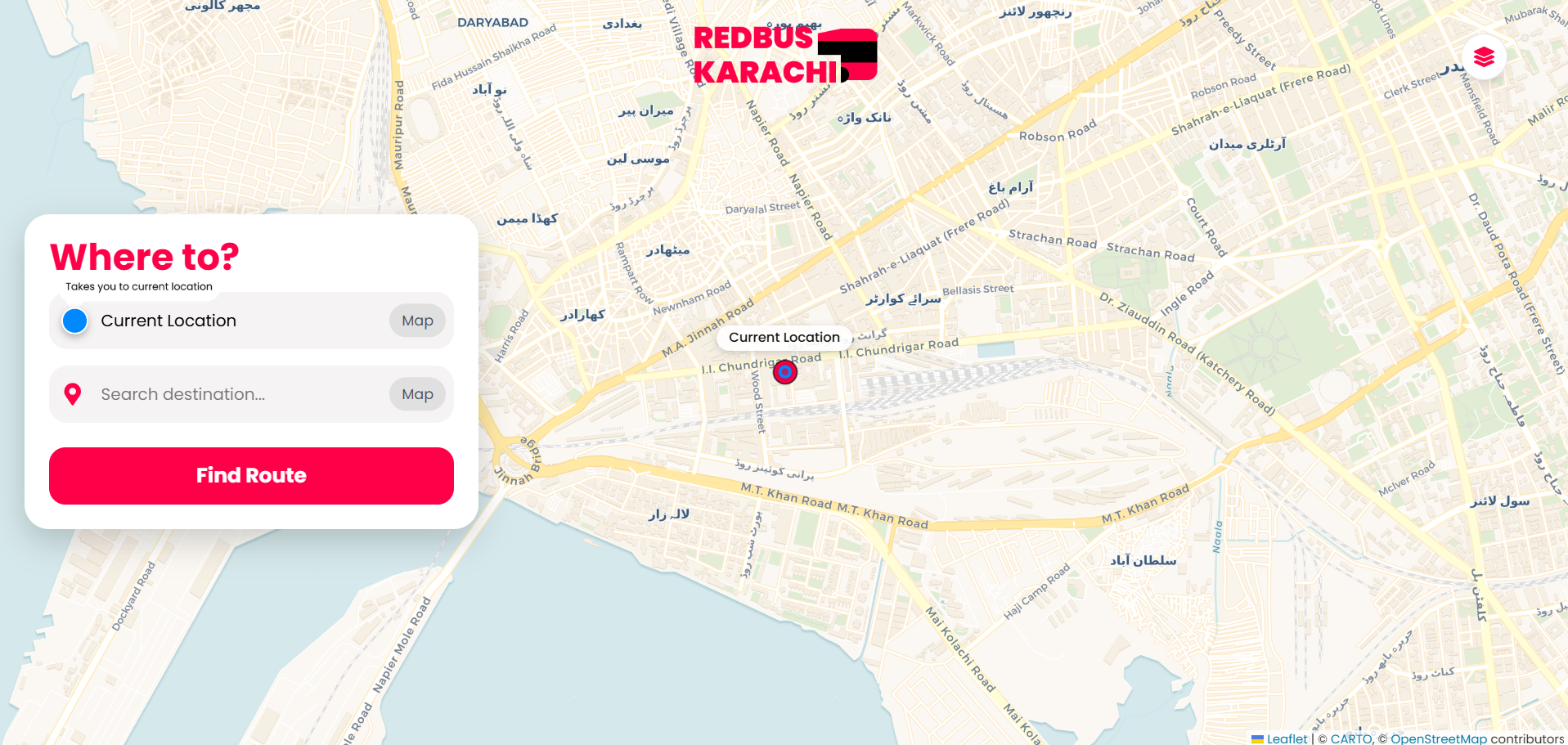
Karachi's first interactive public transport routing platform — Dijkstra-based trip planning over real geographic data.
Key highlights:
- Dijkstra routing: Converted raw Google Earth geographic data into GeoJSON and implemented a Dijkstra shortest-path routing service for city-scale transit queries.
- City-scale impact: Served 1,600+ unique users with sub-second route response across the Karachi network.
- Team leadership: Co-led a 2-person team, owning the routing backend while the partner owned the map UI layer. Won the Design & Development Hackathon at FAST NUCES DevDay 2026.
- Next.js
- TypeScript
- Leaflet.js
- Dijkstra’s Algorithm
- GeoJSON
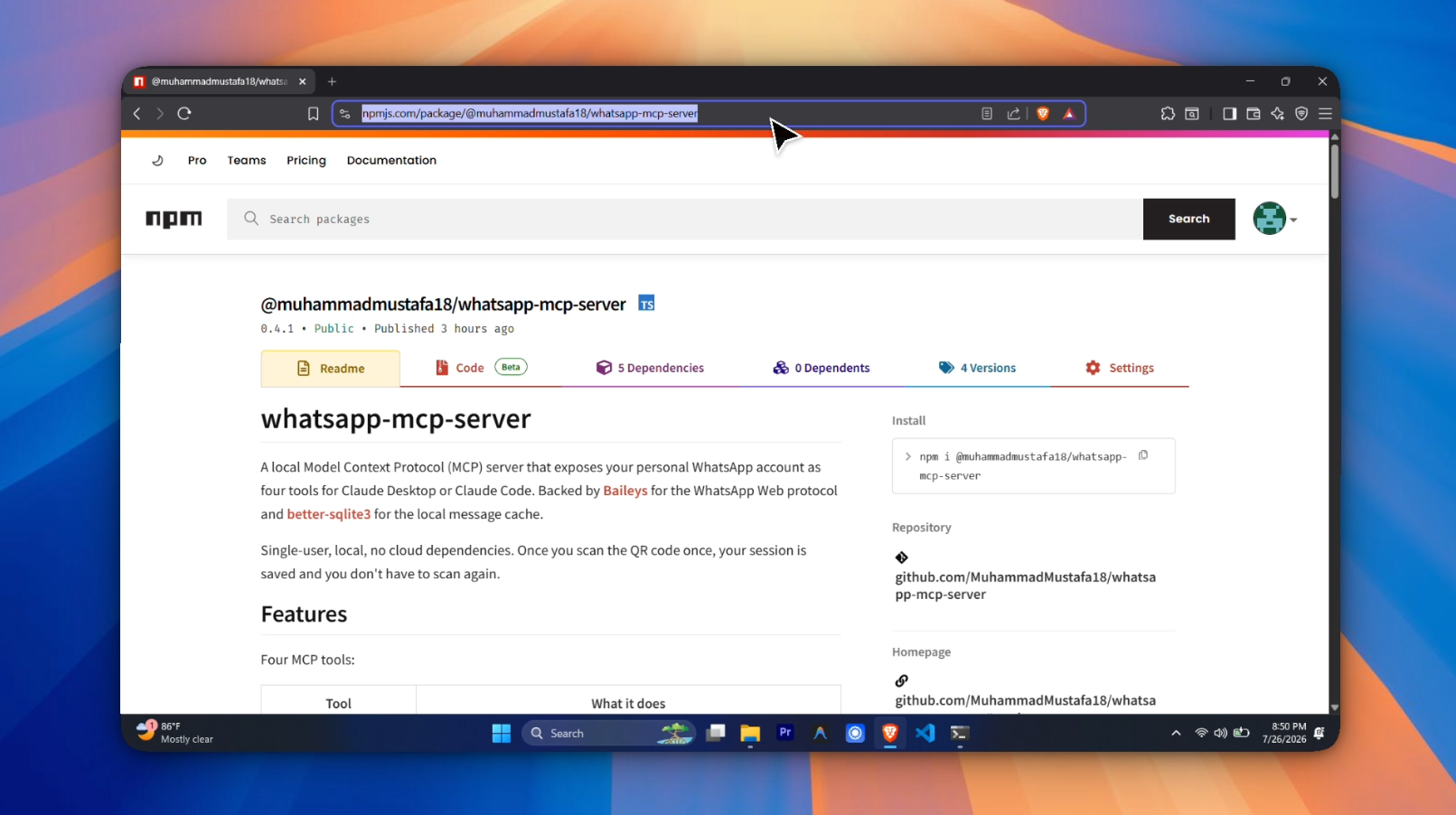
MCP server that connects Claude (or any MCP-compatible client) directly to WhatsApp — send, receive, store messages with secure authentication.
What it is: A Model Context Protocol server that bridges Claude / GPT / local models into your WhatsApp account. Built on Baileys (the unofficial WhatsApp WebSocket library) with a focus on local-first architecture.
What's inside:
- Secure auth + QR code pairing on first run, then session is encrypted and stored locally. Reconnects automatically on restart.
- Send & receive messages to/from contacts and groups, read message history, search messages, list chats.
- Queue-based sending so you don't hit WhatsApp's rate limits even under heavy agent traffic.
- Messages indexed locally for fast search across your full chat history. Your data stays on your machine — nothing touches a remote server.
Why it matters: This is what makes Claude actually do things in WhatsApp instead of just talking about it. Read receipts, group management, scheduled messages — all become agent capabilities. It's also the same Baileys-based WebSocket client that powers Recluze's WhatsApp side, generalized into a standalone MCP tool.
Architecture note: Server runs as a local Node.js process; MCP clients connect via stdio. The WebSocket session is persistent (survives restarts via encrypted local storage) so there's no re-pairing friction during development.
- Open Source
- MCP SDK
- TypeScript
- Node.js
- Baileys
- WebSocket Protocol
- Local-First
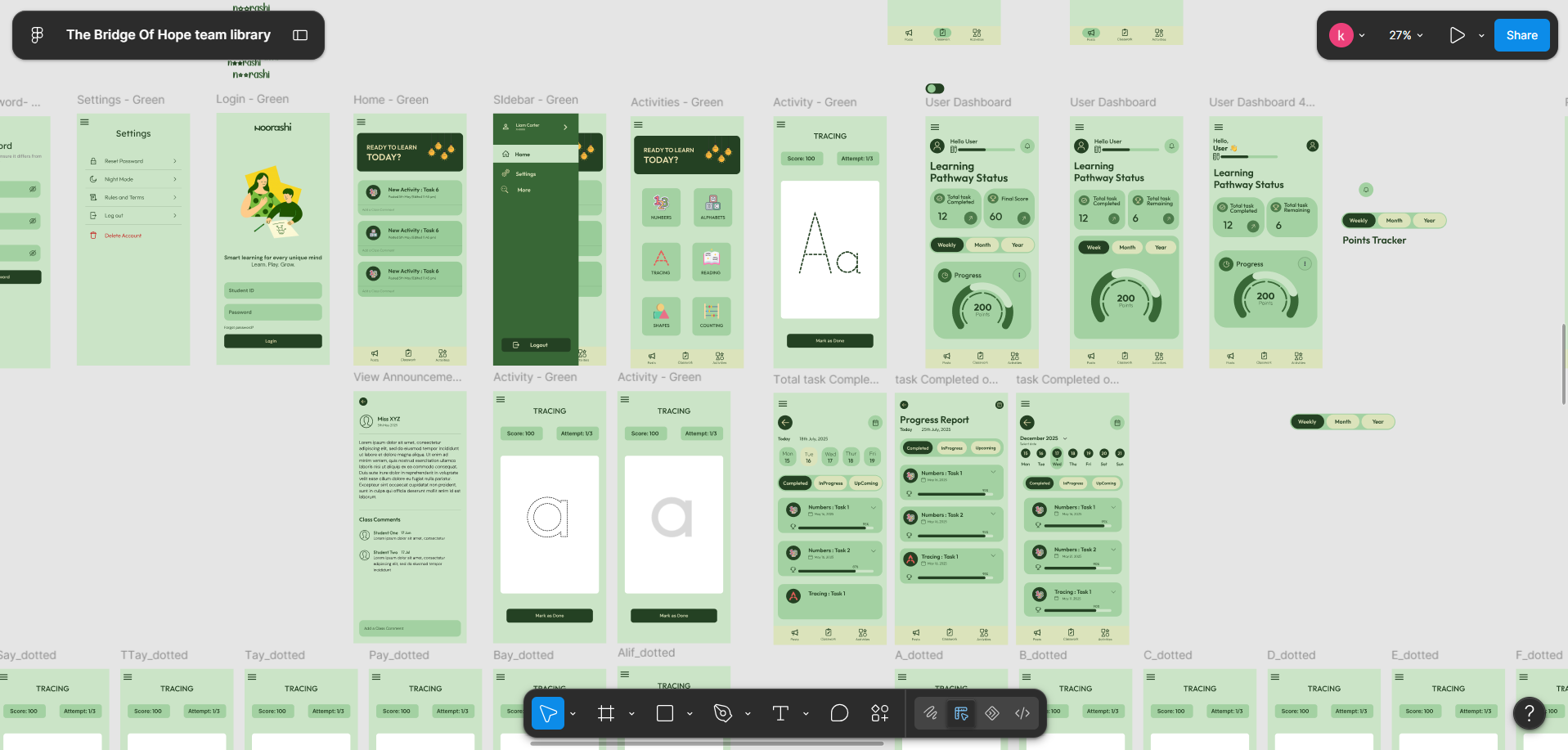
Student-facing Android app of The Bridge of Hopes (TBOH) — a learning platform for children with special needs. Students log in with an ID issued by their school, see announcements from their teacher, comment on them, and complete assigned learning activities — tracing English letters, digits, and Urdu letters on a drawing canvas that is scored on-device by TensorFlow Lite models.
What it does:
- Login / session — JWT auth with automatic, transparent token refresh (central auth interceptor + 401 authenticator in OkHttp).
- Announcements — classroom feed, detail view, and class comments.
- Classwork — assigned activities with New / Incomplete / Completed tabs (server status combined with live local progress).
- Tracing activities — capital & small alphabets, digits, and Urdu letters; Easy/Medium/Hard difficulty, 5 scored attempts, auto-submission of results.
- Practice mode — the same tracing screens without an assignment.
- Reset password.
Architecture — MVVM, end to end: ViewModel → Repository → Retrofit API, with Hilt wiring through every layer. Tokens in EncryptedSharedPreferences, profile + activity progress in Preferences DataStore. Four TFLite models in
app/src/main/assets/score tracing attempts locally — no PII leaves the device for grading.My role: Frontend dev on this codebase at The Bridge of Hopes (per the resume). This is the production app the students actually use, not a demo.
- Kotlin
- Jetpack Compose
- Material 3
- MVVM
- Hilt
- Retrofit + OkHttp
- EncryptedSharedPreferences
- DataStore
- TensorFlow Lite
- Android SDK 26-35
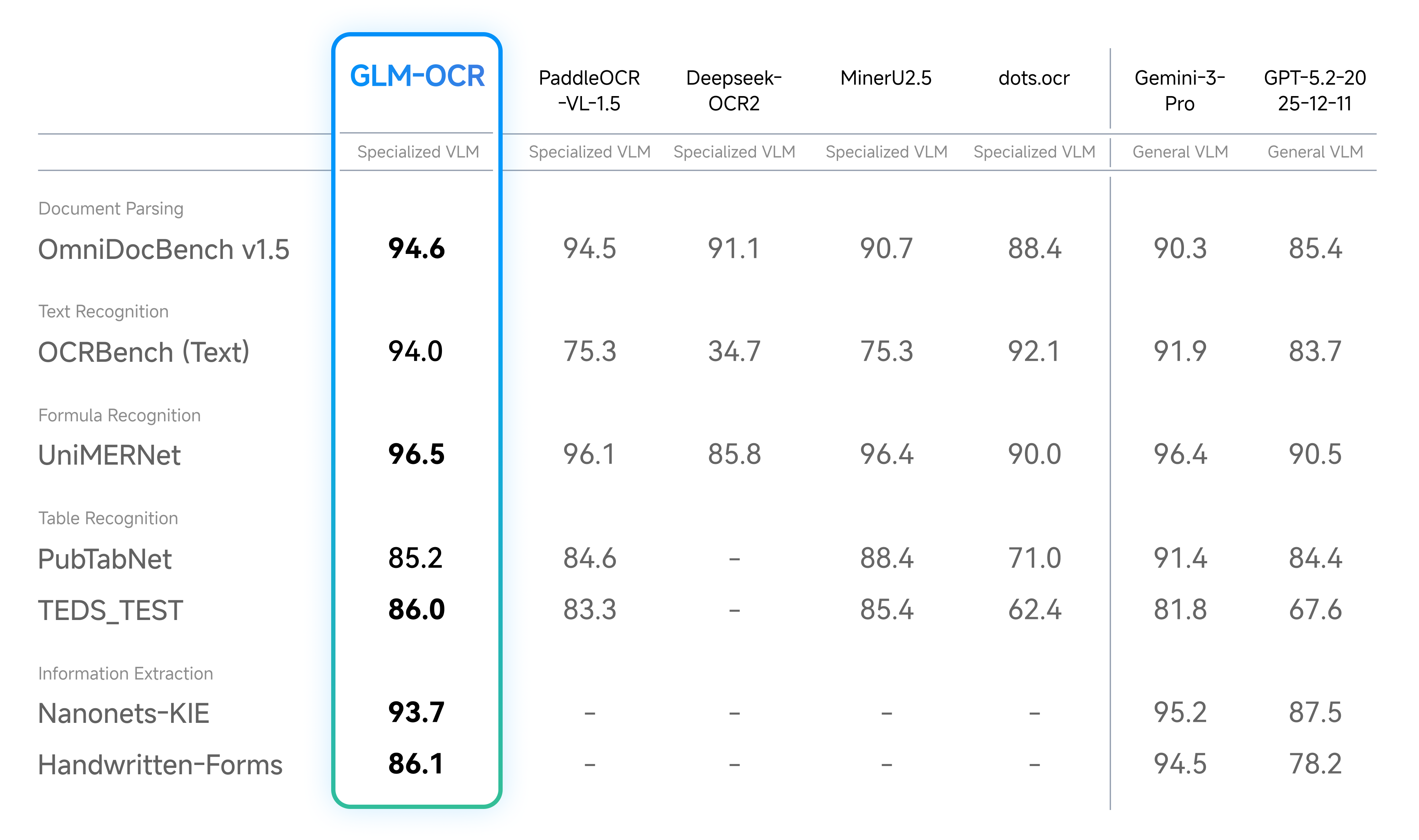
Quantizing GLM-4 9V (vision-language) to INT4/INT8 with bitsandbytes, then fine-tuning the quantized base on a custom OCR corpus.
What it is: A small deployable vision model that beats off-the-shelf OCR APIs on noisy real-world scans, runnable on a single consumer GPU.
Why it matters: Built as the running example for my AI Season Fine-Tuning + LLM Generation session. The pipeline covers quantization-aware fine-tuning, PEFT/LoRA adapters, and export to GGUF for Ollama inference — the full path from a 9B base model to a production-ready OCR service.
Training corpus: Printed and handwritten receipts and prescriptions across multiple scripts, simulating the kind of noise you'd see in a real deployment in Pakistan and South Asia.
- PyTorch
- Transformers
- bitsandbytes
- PEFT / LoRA
- GGUF
- Unsloth
- Vision-Language Model
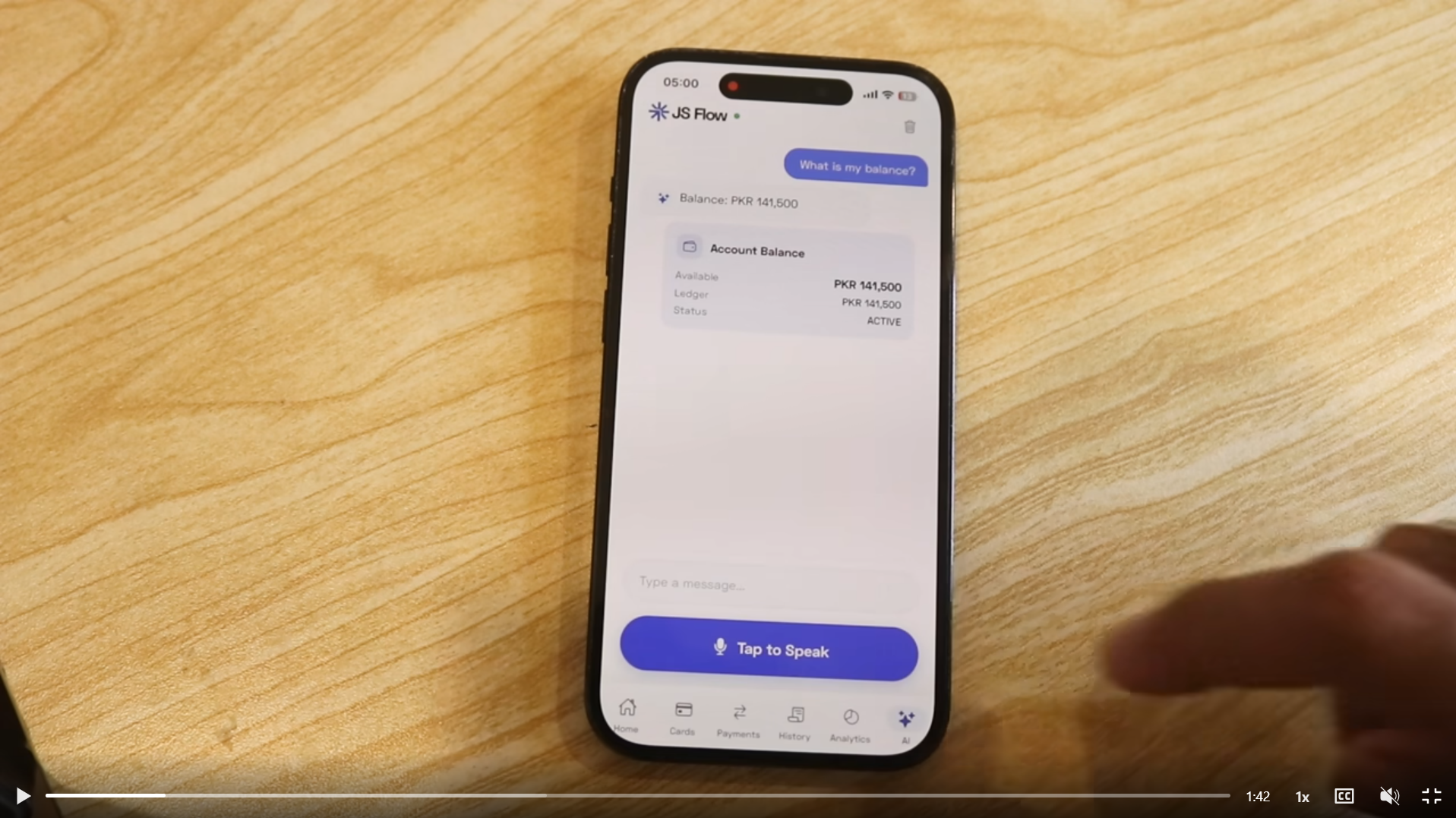
Agentic voice banking system routing queries to RAG (policies/fees) or MCP tools (balance checks, transfers) via LLM-based intent classification.
What it is: A modular FastAPI + LangGraph backend with real-time MCP tool execution, ChromaDB vector retrieval, and local Whisper for voice input. Semantic search via Nomic embeddings.
Why it matters: Covers both RAG + Vector DBs and voice agent patterns in a single demo — two of the most-requested AI Season lecture topics — and was the project that convinced me tool routing via LLM intent classification is more reliable than fine-tuning a small classifier for banking-domain intents.
- LangGraph
- LangChain
- FastAPI
- ChromaDB
- Whisper
- NeonDB
- React Native
- Nomic Embeddings
- RAG
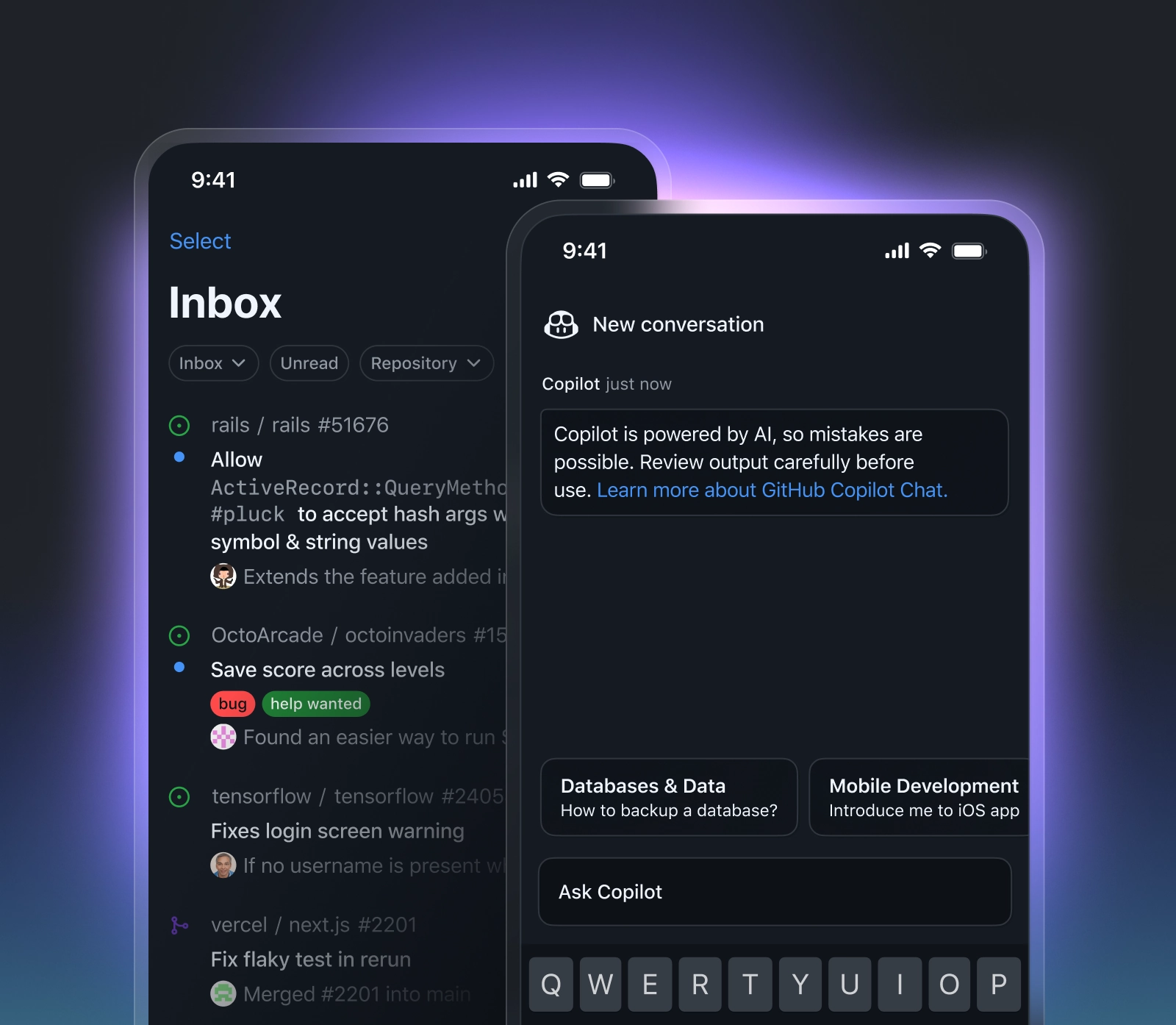
5-agent PR reviewer (intent, diff, security, verifier, decider) with a verification gate that filters hallucinated findings before they reach the developer.
What's inside:
- 5 CrewAI agents running in sequence with a verifier gate — the decider only emits a finding if the verifier confirms it.
- Real Semgrep SAST integrated as a subprocess tool call, not LLM-pretending-to-be-SAST.
- Three LLM tiers (free / paid / local Ollama) so the same code ships for solo devs and enterprise teams.
- SQLite-backed audit log of every agent's reasoning for post-hoc review.
Why it matters: Born from a felt pain at a 10Pearls internship where PR review latency was blocking deploys. It's the running example for my AI Season multi-agent orchestration discussion.
- Open Source
- CrewAI
- FastAPI
- SQLite
- Semgrep
- Docker Compose
- Multi-Agent Orchestration
Cloudinary-style media service backed by Discord mega-drive storage, exposing an S3-compatible API.
What it does: Any boto3 / aws-sdk / rclone client can PUT and GET objects directly while the backend chunks, hashes, and shards uploads across Discord channels.
Why the deployment track matters here: DiscordDB is a teaching example of how the deployment-track primitives (Nginx, Certbot, Cloudinary) generalize to weird substrates — Discord channels as object storage, free tier as a design constraint, channel-fan-out as a primitive.
Production hardening:
- Graceful degradation when a channel goes read-only (auto-failover to next channel in shard).
- Idempotent retries with content-hash dedup so a retried PUT never duplicates storage.
- Structured logs across upload stages (chunk → hash → fan-out → ack → cleanup).
Main goal: Learn backend proper — auth, presigned URLs, multipart uploads, dedup, rate limiting, fan-out, retries.
- WIP
- FastAPI
- Boto3 (S3-Compatible)
- Discord API
- SQLite
- Docker
- Python
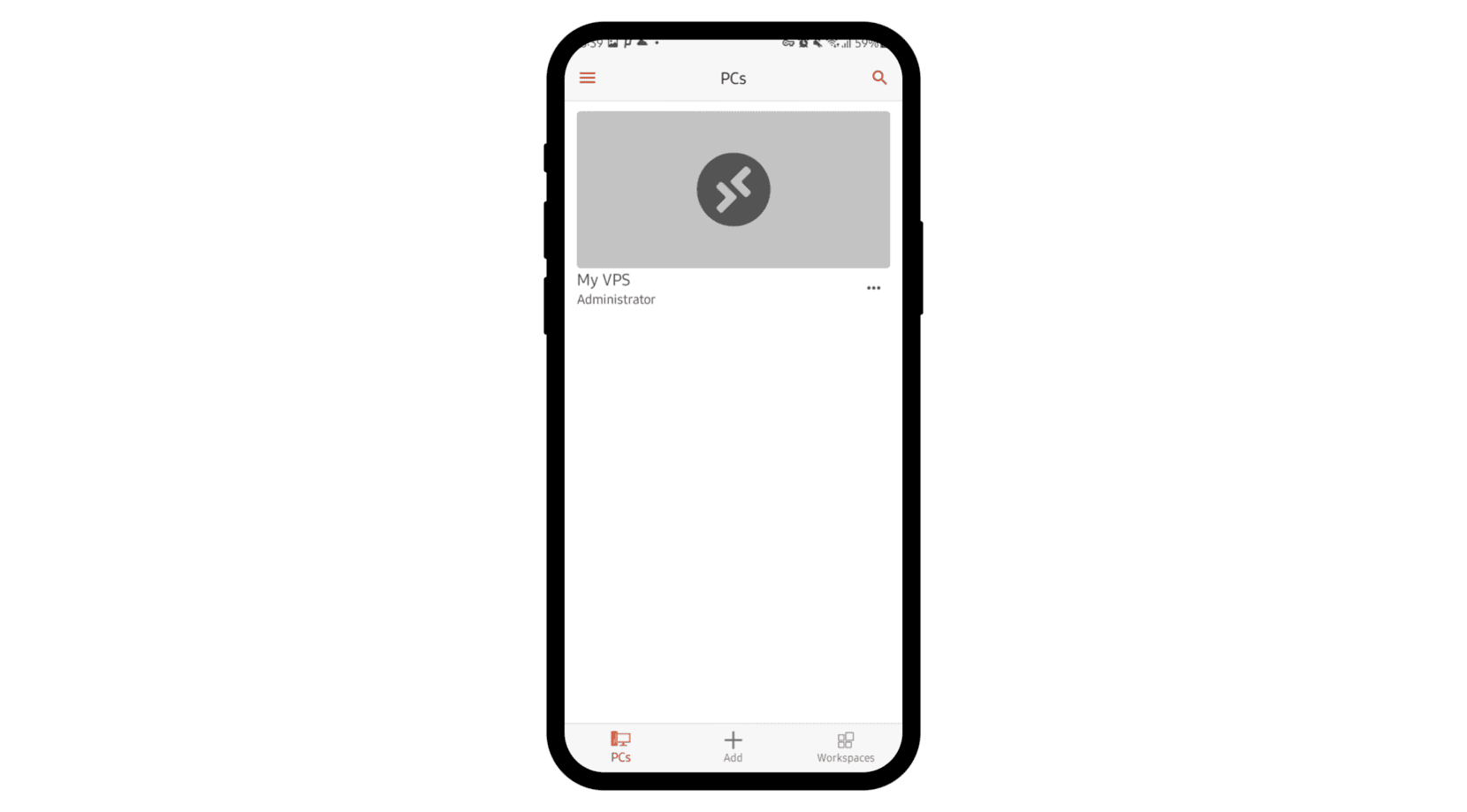
Turns an Android phone into a persistent always-on VPS using Termux plus a proot-distro Debian/Ubuntu userland.
What it is: Exposed publicly via cloudflared or Tailscale Funnel. Process supervision and wake-lock handling so services survive screen lock, battery saver, and app backgrounding on commodity mobile hardware.
Why it matters: Built as a free-tier deploy example for AI Season students without cloud credits — the same cron jobs and self-hosted APIs you'd run on a $5/mo VPS, running on hardware you already own. Targets the operational layer (network, power, sleep, scheduling) that desktop dev hides.
Surprisingly capable: Used as the deploy target for a portfolio cron + webhook demo in production for 4+ months. Cheap, always-on, different-shape story for backend / DevOps interviews.
- WIP
- Termux
- proot-distro
- cloudflared
- Tailscale Funnel
- Linux
- Docker
- Shell

Full-stack cricket tournament management with team and player tracking, match scheduling, and live scoring.
What's inside:
- Secure REST APIs in Spring Boot with Hibernate/JPA.
- Live match updates delivered through Supabase Realtime over PostgreSQL — score changes propagate to all connected clients in under 200ms.
- Type-safe frontend in Next.js with TypeScript.
Why it matters: My first serious Spring Boot project — built to learn Java enterprise patterns (DAO, service layer, transactional boundaries) by shipping something a hackathon audience could actually use.
- Hackathon Project
- Spring Boot
- Hibernate/JPA
- Next.js
- TypeScript
- PostgreSQL
- Supabase Realtime
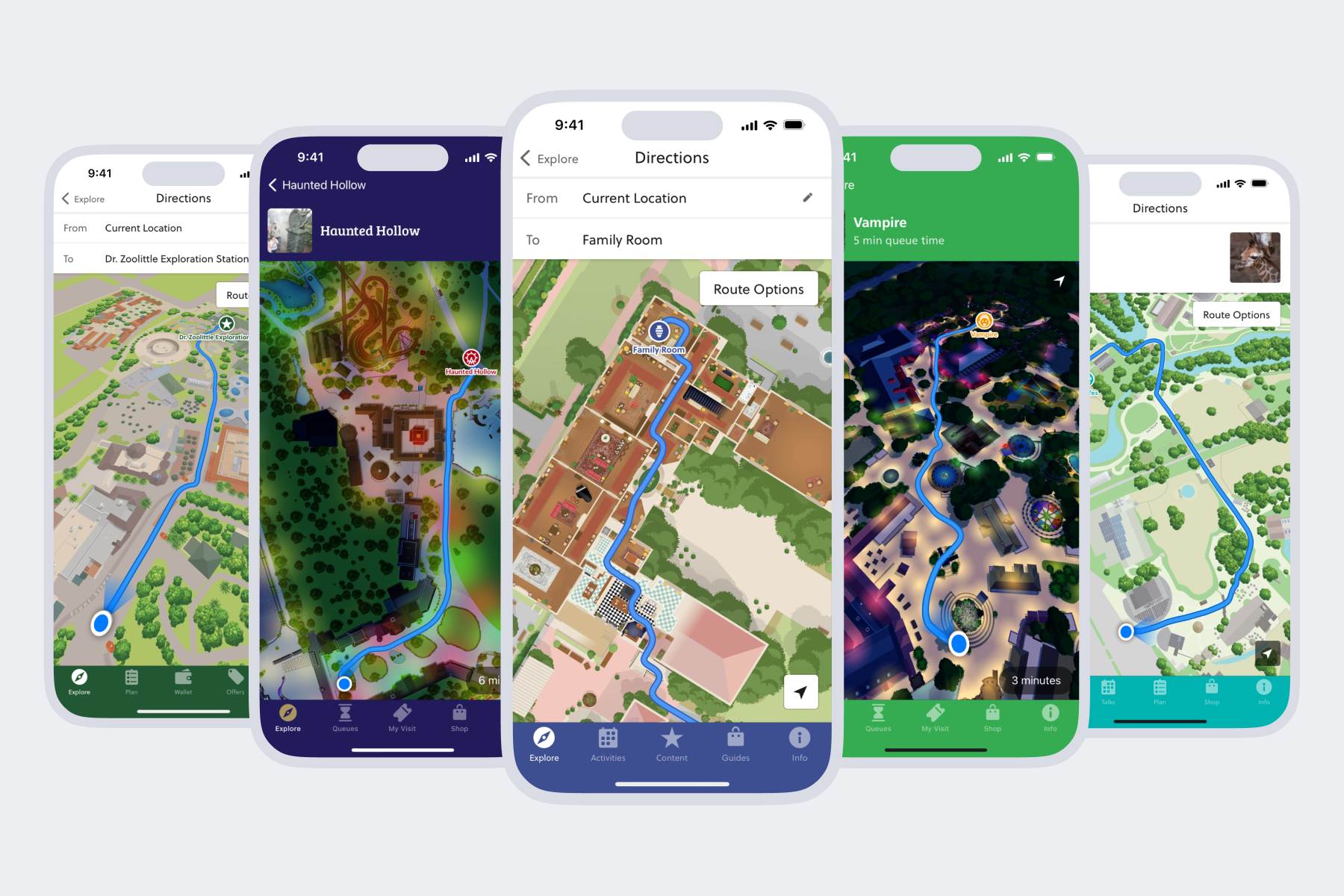
Hyper-local marketplace with H3-spatial-indexed geolocation, real-time messaging, and a reputation engine.
What's inside:
- H3 spatial indexing for sub-kilometer geo queries at national scale.
- 3-stage geo pipeline (cell-bucket → neighbour-cells → distance-filter) with Upstash Redis caching on hot cells.
- Real-time messaging for buyer-seller conversations.
- Reputation engine that aggregates ratings across transactions.
Why it matters: Built to understand how spatial indexes work at production scale — same pattern Uber / Careem use for dispatch, applied to a hyper-local marketplace that fits a Pakistani neighborhood.
- Next.js
- Supabase
- PostgreSQL
- Redis
- H3 Spatial Indexing
Awards(4)
Certifications(0)
Bookmarks(24)
Copper
- Author
- shadcn
- Category
- Software
- Bookmarked on
Invisible Details
- Author
- Dmytro
- Category
- Course
- Bookmarked on
Interactive SVG Animations
- Author
- Nanda Syahrasyad
- Category
- Course
- Bookmarked on
Interface Craft
- Author
- Josh Puckett
- Category
- Course
- Bookmarked on
Interfaces
- Author
- Jakub Krehel
- Category
- Course
- Bookmarked on
Design Engineer Principles
- Author
- Vercel
- Category
- Reference
- Bookmarked on